Cotabato City Heritage & Sultan Kudarat Historical Sites
About this tour
Cotabato City sits at the heart of one of the Philippines' most historically complex regions — the Bangsamoro homeland that resisted Spanish colonization for 300 years and preserved an Islamic political tradition that predates Manila as a city. The Sultan Kudarat sites and the city's Grand Mosque tell a Philippine history that mainland textbooks have long underrepresented, and visiting them reframes the entire narrative of what the Philippines is.
The Grand Mosque of Cotabato — its blue dome and white minarets visible from across the Rio Grande floodplain — is one of the architectural landmarks of Mindanao. Built with funding from Libyan assistance in the 1970s and expanded since, it can accommodate 15,000 worshippers and its interior is a study in Islamic geometric art. Non-Muslim visitors are welcomed outside prayer times with modest dress; the guide provides context on how the mosque functions as the spiritual center of the Bangsamoro region.
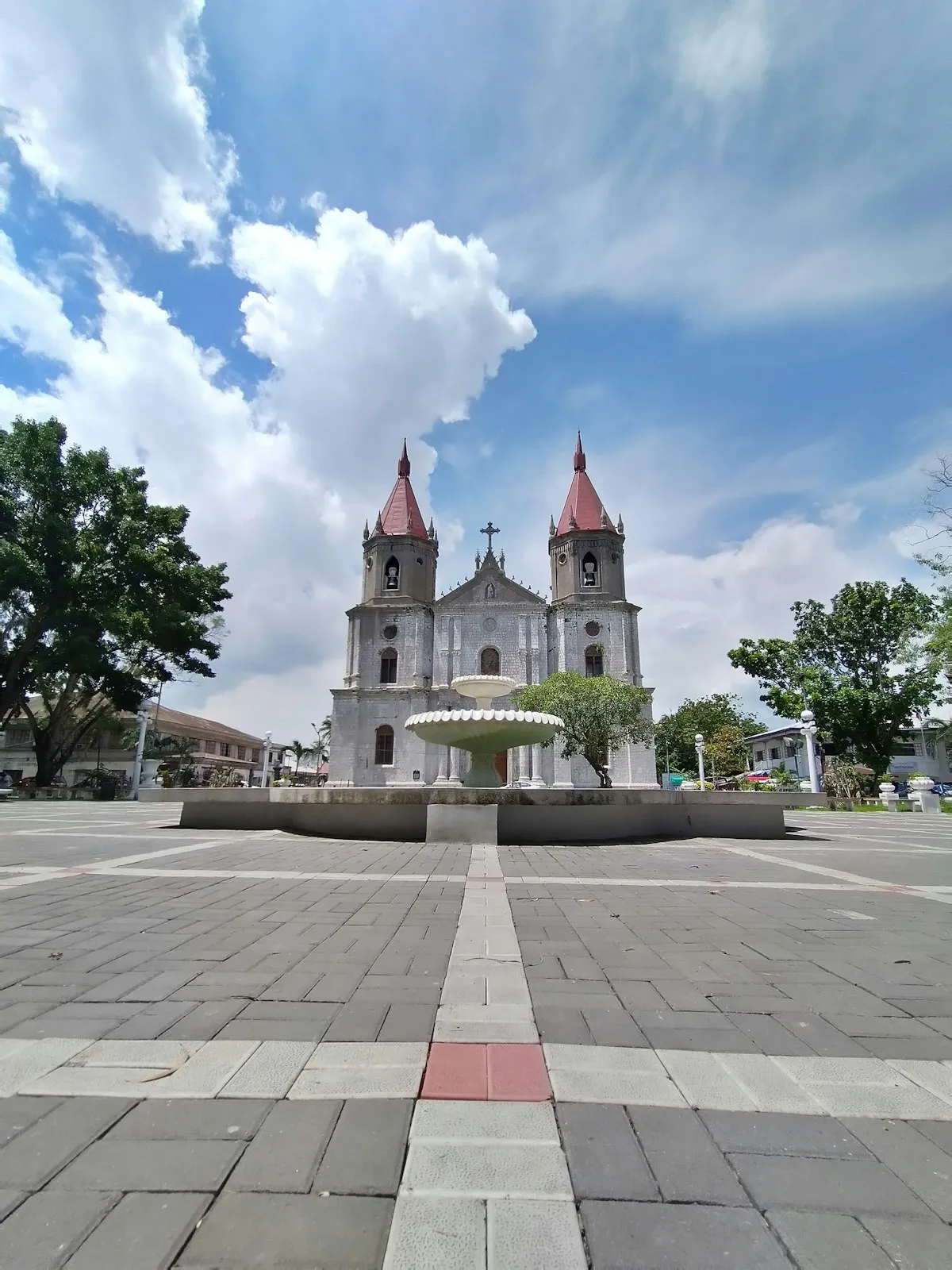
The tomb of Sultan Kudarat in nearby Buluan stands in a garden that has become a place of cultural pilgrimage. Kudarat's resistance to the Spanish — his alliances with Ternate and Makassar, his fleet operations in the Celebes Sea, his diplomatic correspondence with the Dutch East Indies Company — constitute a chapter of Southeast Asian maritime history as significant as anything that happened in Luzon. The guide tells it with the detail and feeling of a story long kept at the periphery of national memory that deserves the center. The Tamontaka Church, a rare Spanish colonial structure that survived in one of the least Hispanicized parts of Mindanao, provides a physical reminder of the encounter between two civilizational forces whose tension still shapes this region today.
Highlights
- ✓Grand Mosque of Cotabato — one of the largest mosques in Southeast Asia
- ✓Tomb of Sultan Muhammad Dipatuan Kudarat — 17th-century resistance hero
- ✓Tamontaka Church — rare Spanish colonial church in Islamic Mindanao
- ✓ARMM Capitol grounds and cultural exhibits
- ✓Rio Grande de Mindanao riverfront — longest river in Mindanao
What's included
- ✓Licensed guide (Islamic and colonial heritage specialist)
- ✓Mosque entrance and cultural orientation
- ✓Transport between sites
- ✓Cultural reading materials on Maguindanao history
Frequently asked questions
Who was Sultan Kudarat?
Is Cotabato City safe to visit?
Guest reviews
No reviews yet
Be the first to share your experience!
Write a review
Share your experience to help other travellers
💡 Traveller tips for Cotabato City Heritage & Sultan Kudarat Historical Sites
Local-knowledge from other travellers. Got a tip? Share it.
Loading tips…
📝 Your notes & photos for Cotabato City Heritage & Sultan Kudarat Historical Sites
Loading…
Ready to book?
Instant confirmation · Free cancellation · Secure payment
Affiliate links — we earn a small commission at no extra cost to you.